How to “do something”, or to explain “how something works”
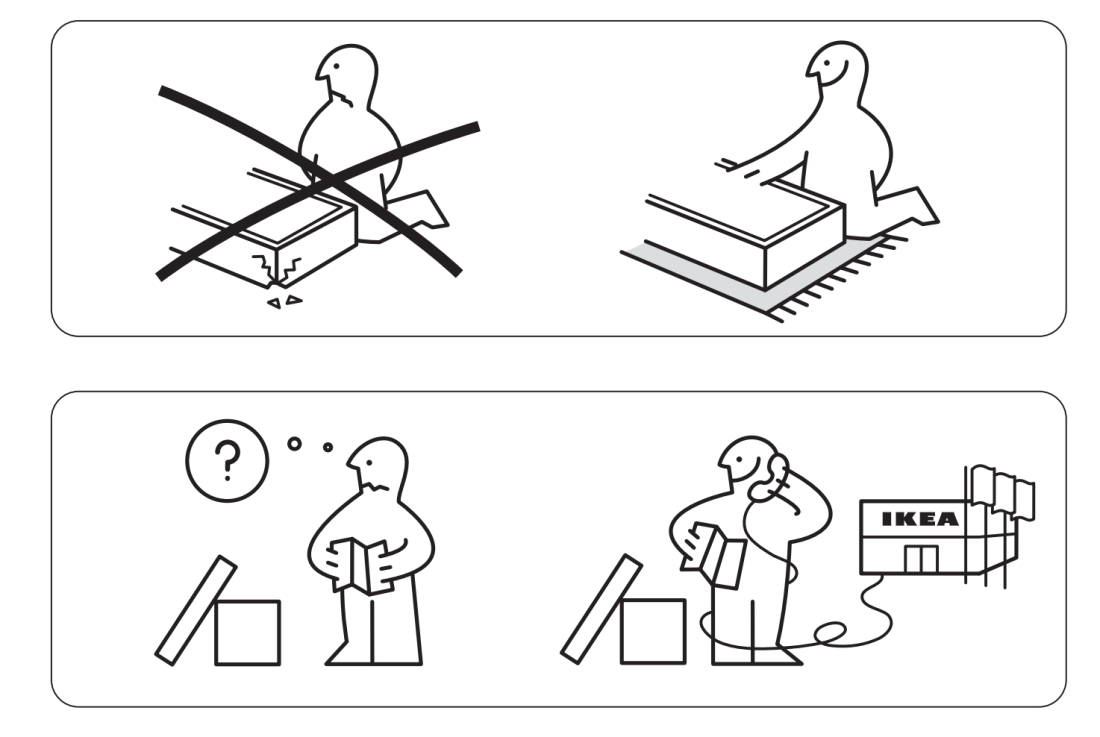
Now we’ve all come across some sort of instruction that explains how something works or how to put something together, and so on. Depending on the importance of a task or lack thereof, calls for the level of detail the instruction is designed in. Research has been made in this realm, known as the cognitive learning theory. Including information on how we thin and how we remember, using this research to create effective ways of delivering instructions. Researchers have found that we humans use something called a working memory. It refers to how we manipulate information that is stored in our short-term memory which is our key executive functions, although it has its limitations. As we often find ourselves forgetting things once and awhile. When designing instructional design, it is best to avoid using imagery as it is often overly saturated with too much elements and details, causing confusion to the user. An alternative is to us simple graphics with a limited colour palette, as you can isolate the most important details.
Kinds of Interaction
(Tell a user how to do something or explain how something works)
Instruction – by clicking buttons
Conversation – back and fourth dialog
Manipulation – drag and drop elements
Exploration – open, playful, game like

 Amie's Blog